Cache Poisoning: The Cache You Can't Purge
Cache poisoning tests aim at the edge because only the edge answers back. The inner caches behind one response, and why a cache buster buys nothing.
Write-ups on web application security: how each bug was found, what was tried before it worked, and what the fix turned out to be.
Cache poisoning tests aim at the edge because only the edge answers back. The inner caches behind one response, and why a cache buster buys nothing.
DOM clobbering turns named element references into overwritten globals, so HTML injection with no XSS is not a dead end. The bundler chains it breaks.
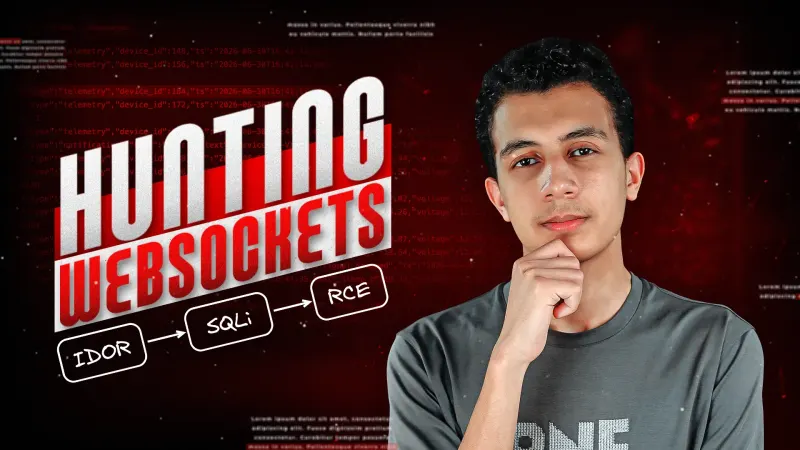
Most hunters close the tab at 101 Switching Protocols. A five-step WebSocket recipe, from broken authorization and IDOR to cross-site hijacking.

Authentication for bug bounty hunters: sessions, cookie flags, JWTs, OAuth 2.0, OIDC and PKCE, and the auth gaps that lead to account takeover.

A report generator missing ownership checks, CSS injection through a live cursor, and a Python sandbox that wasn't one. All found in the final hour.

The recon chain that produces a spreadsheet of misconfigs is not recon. How to split a target into surfaces and read an application the way a hacker does.

A Service Worker registered through a vulnerability lives in the victim's browser and outlives the patch. The lifecycle, the persistence, the hunt.

Recon eats time. What happened when Penligent was pointed at a target and left to map the attack surface, validate findings and produce a report unattended.
Claude Code is everywhere in development, almost nowhere in security. Setting it up for hacking: project context, permissions, skills, real workflows.